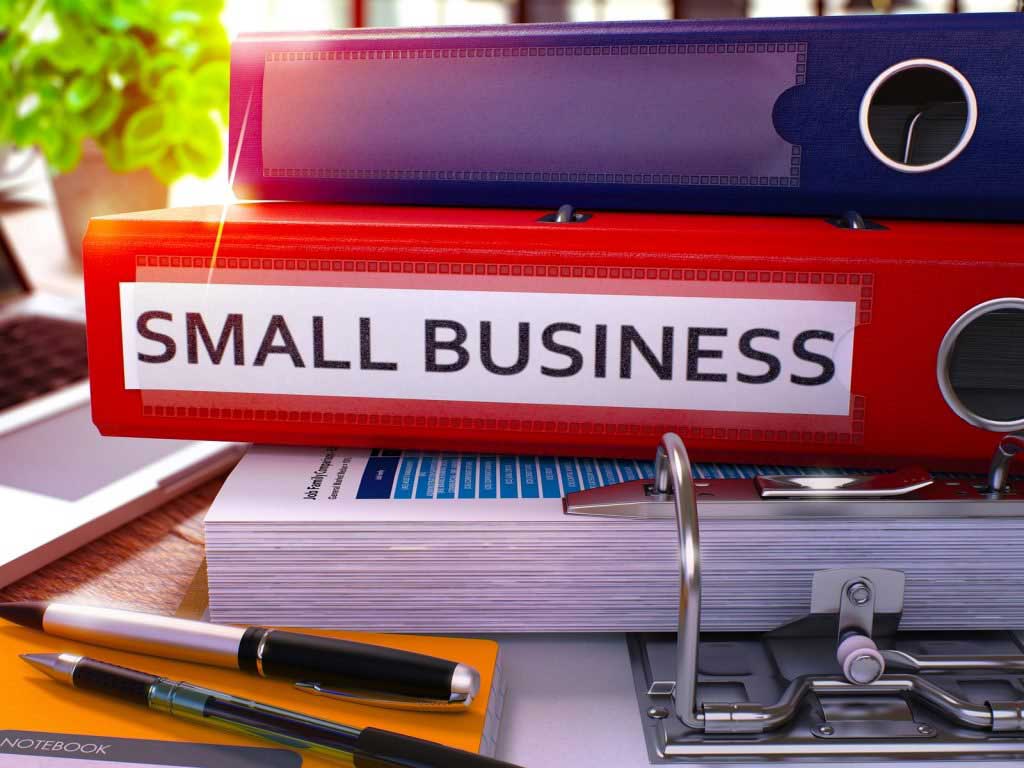
More people are choosing to become self-employed with one in three Americans leaving their jobs to go on their own. According to a twenty-year Harvard University Study republished in November 2018, the top reasons many are leaving stable employment is wanting more control over how and why they work and choosing who they work with for clients. This trend is expected to continue as older and highly educated workers choose the alternative working arrangements of self-employment.
Other workers are forced to start their own business due to down-sizing by American companies as more companies are choosing to hire contracted labor versus hiring full-time employees and paying benefits. Necessity has also created an entrepreneurial opportunity for many to become self-employed due to technology advances eliminating workers, people working past age 69 in comparison to previous generations, and the slow recovery of business growth resulting in fewer positions with wages above the minimum wage.
Self-employment creates an interesting problem when it comes to benefits that others receive through their full-time employment such as health insurance and a retirement savings plan. Most U.S. workers rely on a three system approach to retirement savings: a governmental savings plan (Social Security), employer savings plans (401(k), etc.), and personal retirement savings. Self-employed individuals are not always participating in these same savings plans, often they are only paying into the governmental plan of Social Security.
If you are self-employed or considering becoming self-employed, it is important for you to continue saving for your retirement on a regular basis. Your business may liquidate at some time in the future and provide you with retirement assets, but that is an unknown until the event happens. In the meantime:
If you have questions about setting up a self-employment retirement savings plan, contact our office to schedule a meeting.