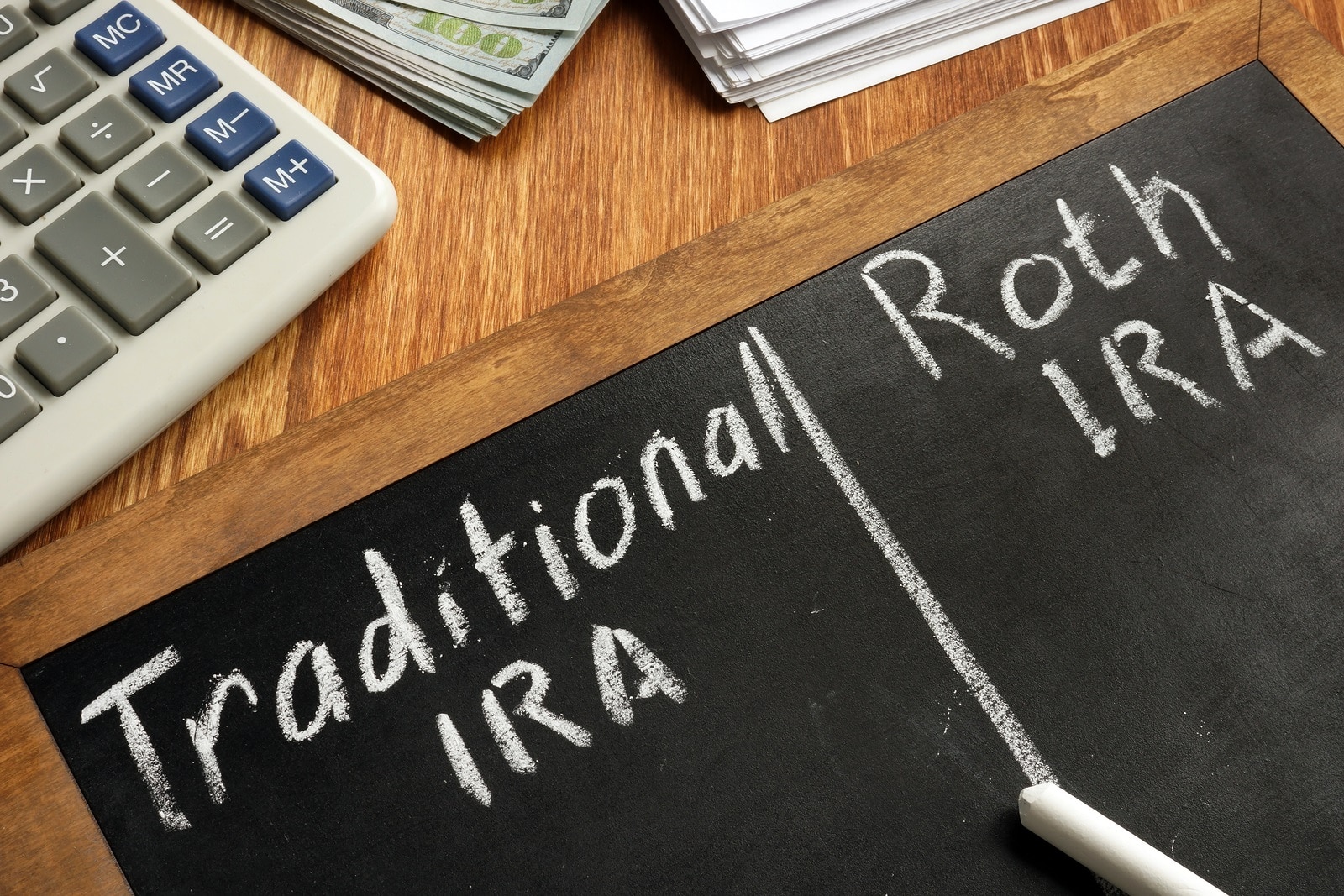
Inheriting from someone is a wonderful gift, but when it comes to securities assets, namely IRAs, different rules apply to non-spouse beneficiaries. IRS rules designate what the beneficiary can do with the IRA and how distributions must be taken. The laws on inherited IRAs depend on the relationship to the IRA owner and the type of IRA. This article doesn’t apply to spouses inheriting an IRA, but applies to the children, friends, brothers or sisters, or any non-spouse recipient inheriting an IRA. Here’s what you need to know:
Traditional IRA Required Minimum Distributions- If you are a non-spouse beneficiary, you must start taking Required Minimum Distributions (RMD) by December 31st after the year of death of the original IRA account owner. Each year you will have RMDs based on your age and life expectancy if you choose to take distributions over your life or your other option is to use the ‘5-year rule.’
Roth IRA Required Minimum Distributions (RMD)- Even though Roth IRAs have no RMD for the original owner, when Roth IRAs are inherited, RMDs apply.
Inherited IRAs Can’t be ‘Rolled Over’ to a New IRA- A change of ownership must happen to the original IRA, and the IRA must remain intact to avoid a penalty or taxes (Traditional IRA). When inheriting an IRA, the beneficiary should contact the custodian of the IRA for instructions and paperwork to transfer ownership.
Inherited IRAs with Multiple Non-Spouse Beneficiaries- It’s crucial to separate inherited shares from the other beneficiaries. Ownership should transfer into their name with the IRA custodian for each beneficiary.
If you have questions on inherited IRAs as part of your legacy plan for your heirs or anticipate inheriting an IRA, feel free to contact me and consult your tax advisor for tax advice on inherited IRAs.